How to Start a Podcast in Nottingham: The Complete 2024 Guide
Everything you need to know, from equipment anxiety to your first 1,000 downloads
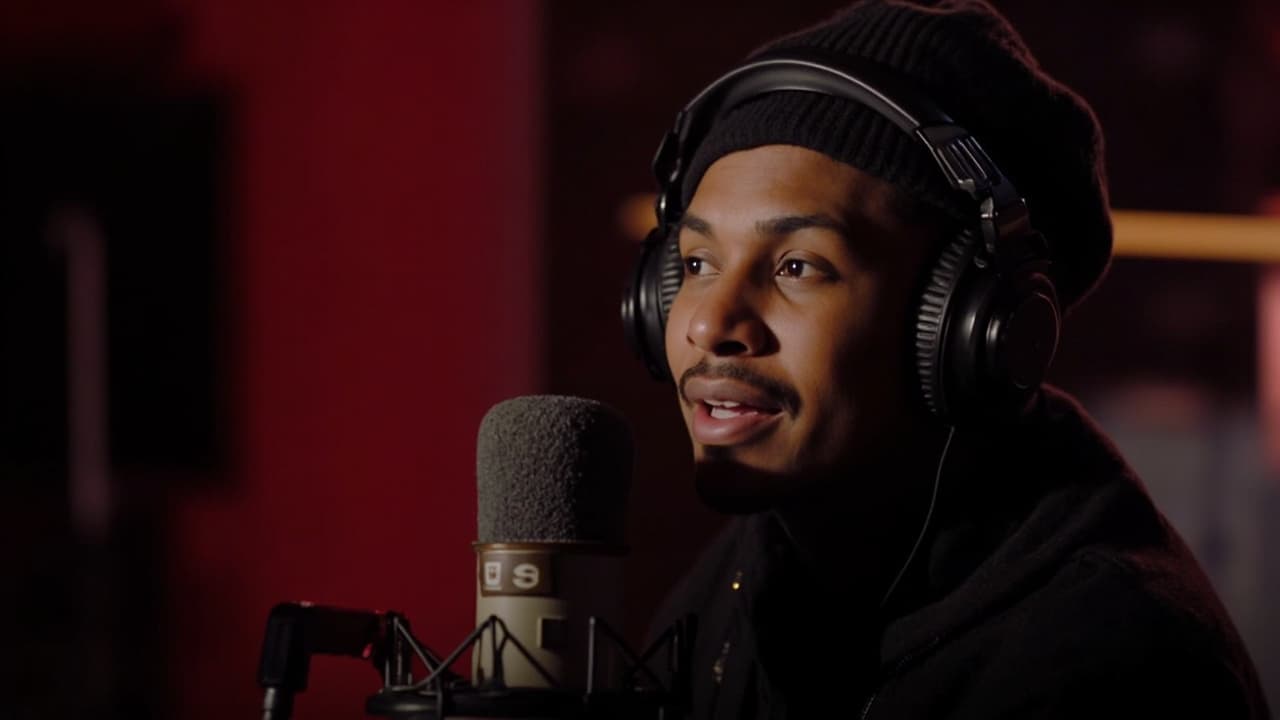
Start your Nottingham podcasting journey with professional guidance.
Table of Contents
So you want to start a podcast in Nottingham. Congratulations. You've chosen a medium that's growing, engaging, and (contrary to popular belief) not actually that difficult to break into. You've also chosen a city that's perfectly positioned for podcasting success: big enough to have stories worth telling, small enough that you can actually get access to the people telling them.
This guide will take you from zero to published podcast. Not in the vague "follow your dreams" sense, but in the practical "do these specific things in this specific order" sense. By the end, you'll have a podcast that exists, sounds professional, and has a plausible path to finding an audience.
Phase 1: The Foundation (Before You Spend Any Money)
Step 1: Define Your Podcast (The Most Important Step)
Most podcast failures happen before recording starts. They happen because the podcaster never answered three fundamental questions:
This guide will take you from zero to published podcast. Not in the vague "follow your dreams" sense, but in the practical "do these specific things in this specific order" sense. By the end, you'll have a podcast that exists, sounds professional, and has a plausible path to finding an audience.
Phase 1: The Foundation (Before You Spend Any Money)
Step 1: Define Your Podcast (The Most Important Step)
Most podcast failures happen before recording starts. They happen because the podcaster never answered three fundamental questions:
Who is this for?
Not "everyone interested in [topic]." That's not an audience, that's a wish. Be specific: "Marketing managers at Nottingham SMEs who want practical growth strategies they can implement this week." Or: "People who moved to Nottingham in their 30s and want to feel connected to the city."
What transformation are you offering?
Every successful podcast promises a transformation. The listener starts in one state (uninformed, unmotivated, disconnected) and ends in another (informed, inspired, connected).
Why you?
There are 4 million podcasts in the world. Why should anyone listen to yours? What unique perspective, access, or expertise do you bring?
Step 2: Choose Your Format
There are four main podcast formats:
Solo Shows: You talking directly to the audience. Complete control, easy to schedule, establishes your expertise. Best for experts sharing knowledge.
Interview Shows: You interviewing guests. Built-in audience expansion (guests share), easier to create. Best for building authority and network.
Co-hosted Shows: You and a regular co-host. Natural chemistry, shared workload. Best for conversational topics and comedy.
Narrative/Documentary: Storytelling with multiple voices. Highly engaging but extremely time-intensive.
For your first podcast, I recommend either solo or interview format. They're the most sustainable.
Step 3: Plan Your First 10 Episodes
Before you record anything, plan your first 10 episodes. Not in vague terms - actual titles and descriptions. This proves you have enough to say and gives you momentum.
Phase 2: The Technical Setup (Without Breaking the Bank)
Option A: The Professional Studio Route (Recommended)
Here's an interesting fact: the cost difference between a basic home setup and professional studio hire is smaller than you think.
Basic home setup:
- Microphone: £100-200
- Headphones: £50-100
- Recording software: £0-50/month
- Acoustic treatment: £100-300
- Camera (for video): £400-800
- Lighting: £100-200
- Total: £750-1,650 upfront + ongoing costs
- Time per episode: 6-10 hours (recording + editing)
Professional studio (StreamToday):
- Per session: £299
- Includes: Professional microphones, cameras, lighting, acoustic treatment, live editing
- Time per episode: 2 hours (walk out with finished content)
If you record weekly, the studio costs £1,196/month. The home setup costs £750-1,650 upfront plus 24-40 hours of your time per month. If your time is worth £30/hour, the home setup actually costs more.
Option B: The Minimal Home Setup
If you genuinely want to record at home, here's the absolute minimum:
- Microphone: Audio-Technica ATR2100x-USB (£80) or Samson Q2U (£70)
- Headphones: Audio-Technica ATH-M20x (£45)
- Recording Software: Audacity (free)
- Recording Environment: Your closet (seriously, clothes absorb sound)
Total cost: £125-200
This setup will get you 80% of the way to professional sound. The remaining 20% comes from room treatment and expertise. Which is why, again, I recommend the professional studio route.
Phase 3: Recording Your First Episode
Before You Record
Script or Outline? Solo episodes need either a full script or detailed outline. Interview episodes need questions and research. Don't wing it.
Test Everything: Record a 2-minute test. Listen back. Check audio levels, background noise, your voice quality.
During Recording
Energy and Pace: Your recorded voice will sound 20% less energetic than it feels. If you feel like you're being slightly too enthusiastic, you're probably at the right level.
Don't Stop for Mistakes: If you stumble, pause, take a breath, and restart the sentence. Don't stop recording. The pause gives you an edit point.
Phase 4: Editing and Production
If You're Editing Yourself
Software: Audacity (free), GarageBand (free on Mac), or Adobe Audition (£20/month)
Basic Workflow:
- Import and organise
- Rough cut (remove obvious mistakes)
- Fine cut (tighten transitions)
- Mix (balance levels, EQ, compression)
- Master (final loudness adjustment)
Time Expectation: 3-4 hours editing per 1 hour of recording for beginners.
If You're Using a Studio with Live Editing
Walk out with finished content. Review it, approve it, upload it. Total time: 30 minutes post-recording.
Phase 5: Publishing and Distribution
Choose a Hosting Platform
Your podcast needs a host - a service that stores your audio files and generates your RSS feed.
- Buzzsprout (£10-20/month) - Easy to use, great for beginners
- Transistor (£15-75/month) - Professional features, unlimited storage
- Anchor (Free) - Owned by Spotify, limited features
I recommend Buzzsprout for most beginners.
Submit to Directories
Once your host is set up, submit to:
- Apple Podcasts (biggest directory)
- Spotify (growing fast)
- Google Podcasts
- Amazon Music/Audible
Phase 6: Marketing and Growth
The Launch Strategy
Pre-Launch (2-4 weeks before):
- Create social media accounts
- Post teaser content
- Build an email list
Launch Week:
- Release 3 episodes on day one (gives listeners something to binge)
- Post on all personal social accounts
- Email everyone you know
- Ask friends to subscribe and review
Nottingham-Specific Marketing
Local Media:
- Nottingham Post
- BBC Radio Nottingham
- LeftLion (local culture magazine)
- University student media
Local Events:
- Creative Nottingham meetups
- Business networking events
- Local conferences
Phase 7: Monetisation (The Long Game)
Don't think about monetisation for your first 10 episodes. Focus on creating great content. But know what's possible:
- Sponsorships: Typically need 1,000+ downloads per episode
- Affiliate Marketing: Works with smaller audiences
- Premium Content: Bonus episodes, early access
- Services: Consulting, coaching, speaking
The Calm Authority Statement
Starting a podcast is not complicated. It requires consistency more than genius, persistence more than equipment, and clarity more than creativity. The tools are accessible, the audience is waiting, and the barrier to entry has never been lower.
The only question is whether you'll start.
Ready to start your podcast?
Book your first recording session at StreamToday Studios. We'll handle the technical side so you can focus on your content. Walk out with a finished episode.
Book Your First Session